Why Trust Outperforms Pressure
In a world of urgency, manipulation, and conversion tactics, trust has become a felt experience, not just a brand message. Pressure can create short-term action, but trust builds long-term preference, loyalty, and reputation.

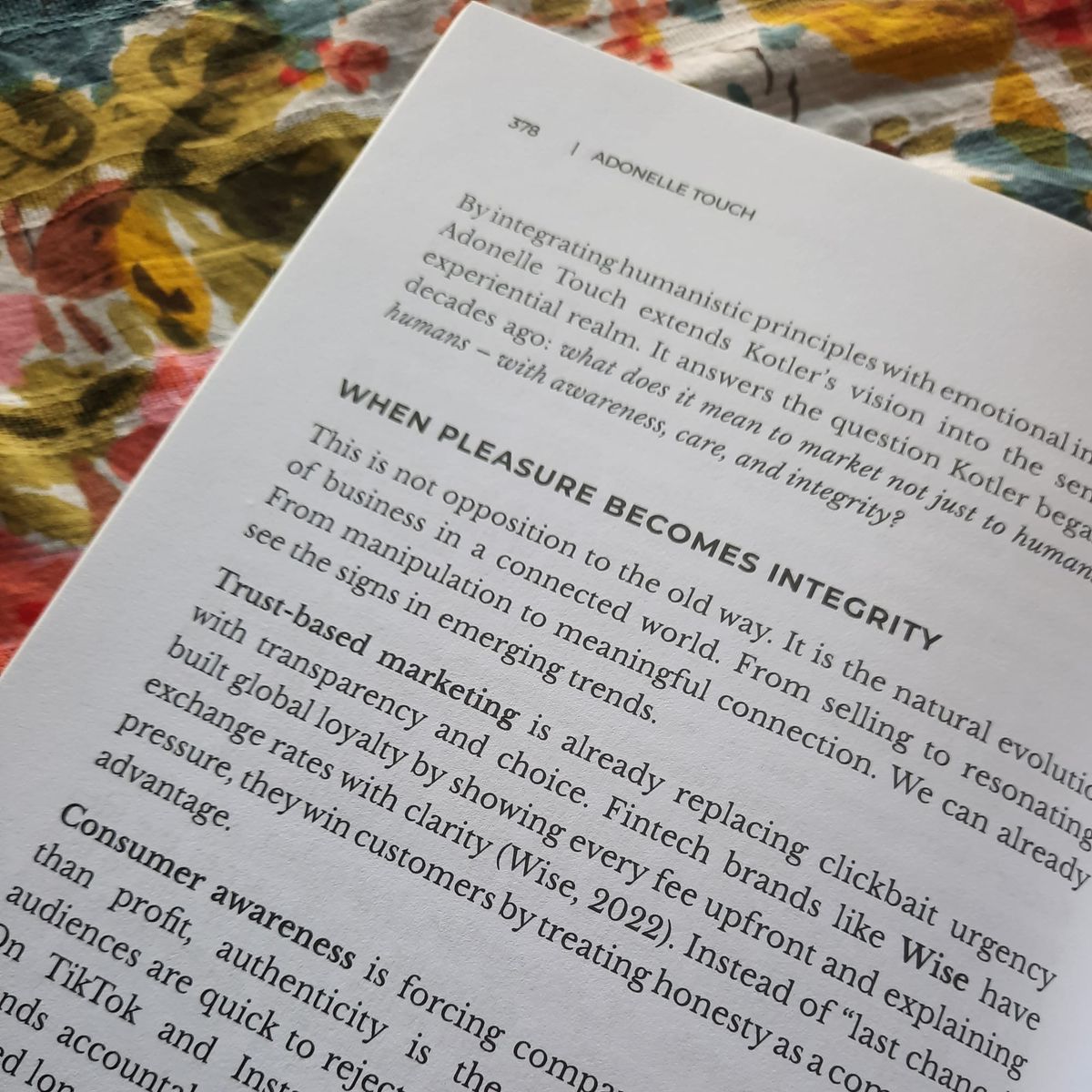
In a world of urgency, manipulation, and conversion tactics, trust has become a felt experience, not just a brand message.
Most brands want people to act. They want the click, the purchase, the subscription, the meeting, the decision.
There is nothing wrong with action. Business needs movement, marketing needs response, sales needs decisions, and leadership needs commitment.
The problem begins when action is created mainly through pressure.
Pressure can work. It can push people across a line, lift short-term conversion, fill a funnel, or make a campaign look successful on a dashboard. That is why it is so tempting. It gives quick evidence that something is happening.
But pressure also has a cost.
It often reduces trust even when it increases action. It may make people say yes before they feel ready. It may create doubt after the decision. It may leave customers feeling handled rather than respected. It may help a brand win attention while quietly weakening the relationship.
Trust works differently. It does not always move as fast as pressure, but it builds something pressure cannot: preference, loyalty, confidence, reputation, and the willingness to return.
That is why trust outperforms pressure. Not always in the next click or campaign, but almost always in the relationship that follows over time.
Pressure is easy to measure
One reason pressure is so common is that it is easy to see.
A countdown timer either increases conversions or it does not. A scarcity message either creates urgency or it does not. A stronger sales claim either lifts response or it does not. A more aggressive follow-up sequence either gets more calls or it does not.
Pressure produces measurable signals quickly, and modern marketing is built to reward those signals. Test, optimise, scale. If something moves the number, do more of it. Does that sound familiar?
But many of the most important brand effects are slower, quieter, and harder to measure immediately.
Did the customer feel respected?
Did the choice feel clear?
Did the interaction create confidence?
Did the person feel manipulated?
Did the experience make them more likely to return?
Did they recommend the brand because they trusted it, or only buy because they felt pushed?
These questions are harder to capture in a single performance report. But they matter deeply, because brands are not built only in moments of conversion. They are built in the emotional memory people carry after interacting with them.
The hidden cost of pressure
Pressure often looks efficient from the inside. From the company’s point of view, it may seem like sharper marketing, clearer urgency, stronger persuasion, or better sales discipline.
From the customer’s point of view, it may feel different.
It may feel like being rushed, cornered, or subtly forced. It may feel like important information is being held back until too late. It may feel like the brand wants the sale more than it respects the person. It may feel like saying no has been made unnecessarily difficult.
This is where pressure becomes dangerous.
Not because every urgent message is unethical. Both, urgency and scarcity can be real. Also, a strong invitation can be appropriate. The issue is whether people feel informed, respected, and free to choose.
When they do not, pressure starts damaging the relationship. A customer may still buy, but with less confidence. They may still sign up, but with more suspicion. They may still convert, but become less loyal.
That is how pressure can create short-term results while weakening long-term trust.
Trust is a felt experience
Many companies talk about trust as if it is a message.
They say they are transparent, that they care about customers, that people come first, and that they do business differently.
But trust is not created by saying trustworthy things. Trust is created when people experience consistency between what a brand says, what it does, and how it makes them feel.
It appears in the details: pricing that is clear, terms that are understandable, and claims that feel believable. It appears in support that helps without making people feel small, in a checkout flow that does not feel like a trap, and in a sales conversation where the next step is clear but not forced.
A company can have beautiful values and still create distrust through confusing forms, hidden commitments, manipulative urgency, vague promises, or customer journeys that make people feel trapped.
Likewise, a brand can be simple and modest, but deeply trusted because people consistently feel respected, informed, and safe in their choices.
This is because trust lives in experience.
What trust-based marketing looks like
Trust-based marketing does not mean weak marketing. It does not mean avoiding desire, energy, ambition, or sales. It does not mean hiding the offer or being afraid to ask people to act.
It means creating action through clarity rather than confusion, invitation rather than pressure, and confidence rather than anxiety.
A trust-based approach asks not only, “How do we get more conversions?” It also asks, “What kind of relationship does this conversion create?”
Are people choosing with clarity?
Are we using urgency honestly?
Are we making the next step understandable?
Are we communicating benefits without exaggeration?
Are we giving people enough space to decide?
Would we feel proud if customers saw exactly how this funnel was designed?
These are not anti-business questions. They are better business questions, because they connect the moment of action with the quality of the relationship that follows.
From pressure to invitation
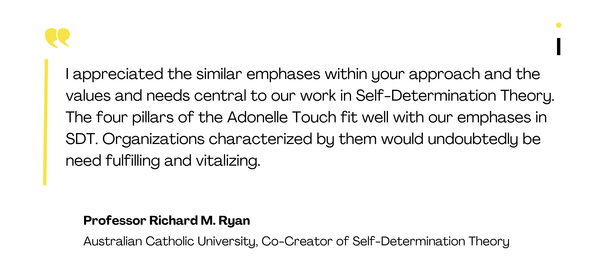
Adonelle Touch approaches trust through four sex-positive values: Inclusivity, Consent, Openness, and Empowerment.
These values may come from a field many business environments are not used to discussing directly, but their relevance to business is practical.
Inclusivity asks who feels seen, considered, and welcome. Consent asks whether people are invited rather than pushed. Openness asks whether communication is honest, human, and clear. Empowerment asks whether people feel more capable and free to choose after interacting with the organisation.
Together, these values offer a different way to look at marketing, sales, leadership, and brand experience.
The question shifts from “How do we make people act?” to “How do we create the conditions where people can choose with trust?”
That is not less commercial, it is more sustainable. People who choose with trust are more likely to stay, return, recommend, and build a real relationship with the brand.
Trust beyond marketing
The same pattern appears inside organisations.
In leadership, pressure can create compliance. People may follow instructions, attend meetings, meet targets, and say the right things. But compliance is not the same as commitment.
Commitment requires trust. People commit when they understand the direction, feel respected in the process, and believe their contribution matters. They commit when they can speak honestly without fear. They commit when leadership communicates clearly and does not use confusion, urgency, or emotional manipulation to force alignment.
A company can pressure people into performance, but pressure alone rarely creates the best thinking, deepest creativity, or strongest loyalty. It may produce output, but it often reduces honesty.
When people feel constantly managed, monitored, or pushed, they protect themselves. They say less, risk less, and hold back the honest thinking, questions, and creativity the organisation actually needs.
Trust makes a different kind of performance possible. It creates the conditions for openness, responsibility, courage, creativity, and long-term engagement.
Why this matters now
Pressure-based strategies are becoming easier to automate.
AI can generate urgency, personalise persuasion, test emotional triggers, and optimise messages faster than ever. It can also imitate empathy without actually creating care.
This makes trust more important, not less.
As more brands use similar tools, similar tactics, and similar language, people become more sensitive to what feels real. They may not always know why a brand feels off, but they feel the mismatch.
They feel when personalisation becomes invasive and when empathy is scripted. They feel when urgency is manufactured, or when transparency is selective. They feel when a brand sounds human but behaves mechanically.
In this environment, trust becomes a competitive advantage. Not trust as a slogan, but trust as something designed into the experience.
The business case for trust
Trust supports business in ways pressure cannot.
It improves the quality of conversion because people choose with more confidence. It supports retention because people feel safer returning. It increases referrals because people recommend brands they trust. It strengthens reputation because trust travels through conversations. It improves customer relationships because people are more willing to share honest information.
Pressure may win the transaction, but trust builds the relationship. And over time, relationships are where the real value actually is.
This is especially true for brands and organisations working with sensitive, personal, expensive, intimate, risky, or identity-related decisions. In finance, people need clarity and confidence. In health and wellness, people need respect and emotional safety. In education, people need trust in guidance. In dating and relationships, people need dignity and agency. In sexual wellness, people need openness without shame. In leadership and culture, people need honesty without fear.
In all of these contexts, pressure may damage the very thing the organisation depends on most: people’s willingness to trust the brand, the process, and the relationship.
A simple diagnostic
A useful question for any brand is:
Where are we using pressure because we have not yet built enough trust?
That question can reveal a lot. It may reveal unclear positioning, weak differentiation, fear of honest communication, lack of confidence in the offer, or a customer journey that depends too much on urgency.
A second question is just as useful:
What would this experience look like if it were designed for trust first?
The answer may involve clearer pricing, softer but stronger calls to action, better expectation-setting, more transparent terms, more respectful follow-up, more honest storytelling, or a customer journey that gives people more agency.
Trust-based design does not remove the business goal, it changes the way the goal is reached.
Trust is not passive
One misunderstanding is that trust-based business is passive, slow, or overly gentle.
It is not.
Trust can be direct, bold, commercial, and ambitious. It can sell, lead, challenge people, and ask for commitment.
The difference is that trust does not need to trap people in order to move them. It does not rely on confusion, shame, fear, false urgency, or hidden pressure. It respects the person on the other side of the interaction.
That respect is not only ethical, it is also strategic.
People are more likely to build lasting relationships with brands and organisations that make them feel respected, informed, and free to choose.
What pressure cannot build
The old question was how to get people to act now. The better question is how to become easier to trust over time.
That shift changes the nature of growth. Marketing becomes less about forcing attention and more about creating confidence. Sales becomes less about pushing people forward and more about helping them choose clearly. Leadership becomes less about control and more about conditions where people can commit with honesty. Branding becomes less about image alone and more about relationships.
Pressure can create short-term action.Trust creates long-term preference, loyalty, and reputation.
That is why trust outperforms pressure.
Not because pressure never works, but because trust builds what pressure cannot.
This is the work Adonelle helps organisations explore: where pressure has replaced trust, where experience creates hesitation, and how leadership, branding, communication, and culture can become clearer, more respectful, and easier to trust over time.