Why We Support Baltic Pride
A reflection on Baltic Pride, visibility, shame, and why silence does not protect children, communities, or culture. It protects the conditions where hate can grow.

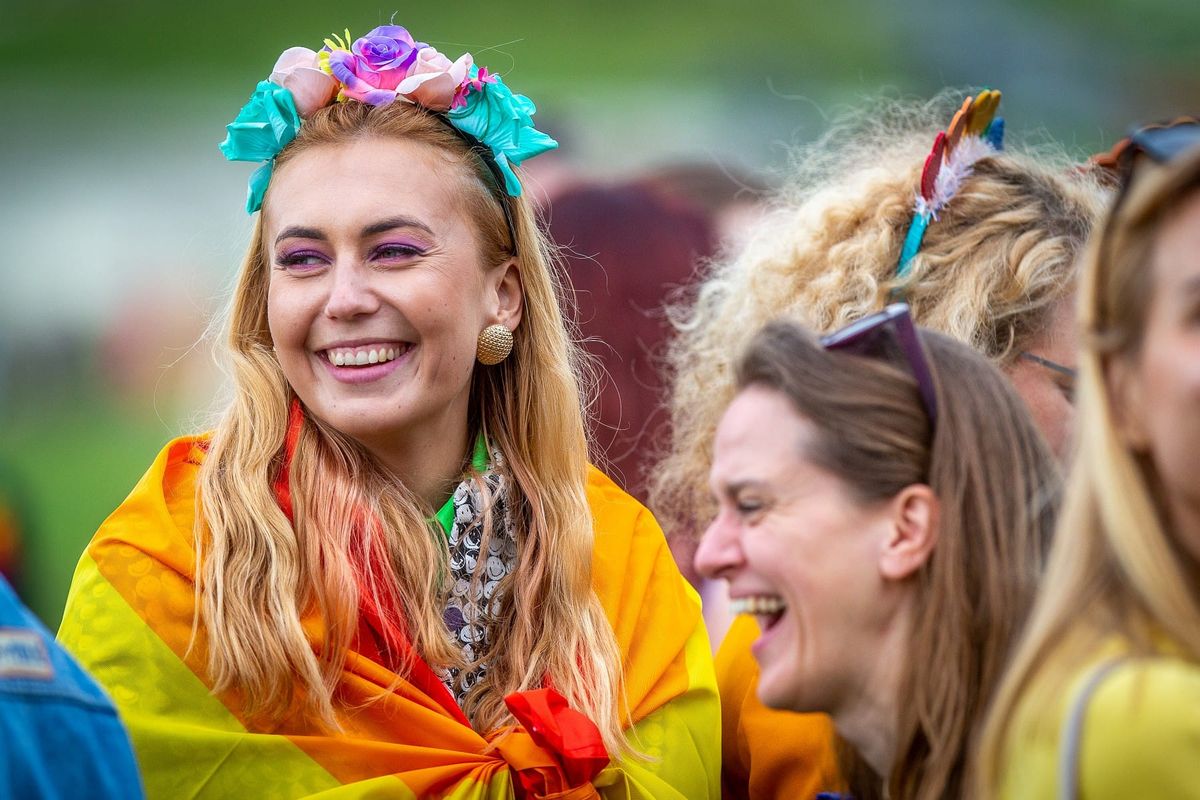
We are planning to attend Baltic Pride because we share the values behind it.
The festival stands for a free and caring society where everyone can live a good and safe life regardless of sexuality, gender identity, or self-expression. That should not be controversial. And yet, in many places, it still is.
This tension is exactly why Pride matters. It is colourful, visible, joyful, and public. But it is not only a celebration. It is also a reminder that many people are still expected to hide parts of themselves in order to be accepted, safe, or treated with dignity.
That is why visibility matters. When people reject Pride, they often say the issue is public order, tradition, local expectations, or children.
Recently, Viljandi blocked a Baltic Pride rainbow display connected to the 2026 festival, while similar displays were approved in Tallinn and Tartu. Baltic Pride itself is regional by nature, rotating between Estonia, Latvia, and Lithuania, and the wider Pride movement has also received support over the years from embassies, European institutions, and international organisations.
That contrast matters: what some local authorities frame as too sensitive or “not child-friendly” is also recognised by many democratic institutions as a question of dignity, safety, equality, and basic human rights.
This raises a deeper question:
What exactly are children being protected from?
A rainbow flag?
People being visible?
The idea that different forms of sexuality, gender identity, and self-expression exist?
Or the discomfort adults feel when sexuality and identity are brought into public conversation?
We believe children are not protected by silence. They are protected by honest, age-appropriate conversations, by adults who are not ashamed to talk about bodies, boundaries, respect, difference, consent, and safety.
Silence does not make children safer. In many cases, silence makes them more vulnerable.
When sexuality becomes unspeakable, children and young people are left to learn from secrecy, shame, peers, algorithms, pornography, jokes, fear, or bad information. When adults avoid the topic completely, we do not remove sexuality from their lives. We remove guidance, language, and trust. And that is dangerous.
One of the reasons Adonelle exists is that we believe words surrounded by shame deserve space and open communication, not avoidance. Across cultures, the word “sex” carries different weights: sometimes curiosity, sometimes discomfort, sometimes fear. But that tension reveals something important. Our relationship with language reflects our relationship with openness itself.
Words we refuse to say become charged and taboo.
Sex and pleasure are normal parts of life. So are boundaries, respect, desire, identity, vulnerability, safety, and self-expression. The more we silence these words, the harder it becomes to talk clearly about what is healthy, what is harmful, what is acceptable, and what is not.
That is why Baltic Pride’s 2026 message, “Silence won’t defeat hate,” feels especially important. Baltic Pride explains that hate is not only visible in extreme attacks or public conflicts. It also becomes normalised through everyday comments, jokes, moments of non-intervention, and institutional silence.
This matters beyond the LGBT+ community. Every society teaches people what can be spoken about and what must remain hidden. Every institution teaches people whose safety matters and whose discomfort counts more. Every public decision teaches young people whether difference is something to understand or something to reject.
Pride has always carried this double meaning.
It is a celebration, but it is also a protest. Pride festivals grew from political resistance after the Stonewall uprising in New York in 1969, when LGBTQ+ people resisted police raids and the first commemorative marches followed in 1970. Since then, Pride has continued to bring attention to the rights, dignity, safety, and visibility of people whose identities and relationships have too often been marginalised.
That history still matters. In Estonia and across the Baltics, Pride is not only a party in the streets. It is a public conversation about what kind of society we are willing to become. It asks whether people should have to disappear to make others comfortable. It asks whether children should grow up with silence or with language. It asks whether safety belongs only to the majority, or to everyone.
For us, supporting Baltic Pride is consistent with the values behind Adonelle Touch: inclusivity, consent, openness, and empowerment.
Inclusivity means people should not have to hide who they are in order to belong.
Consent means learning to understand boundaries, agency, and respect from an early age.
Openness means meeting discomfort with dialogue rather than avoidance.
Empowerment means helping people grow with enough safety and language to understand themselves and make confident, informed choices.
These are not dangerous values, they are protective values.
They make relationships healthier. They make organisations more trustworthy. They make communities safer. And they make it harder for shame, silence, and fear to pass quietly from one generation to the next.
This is why we support Baltic Pride. Not because every person has to agree on everything. Not because public visibility is always comfortable. Not because the conversation is simple.
But because silence does not defeat hate.
Visibility, language, respect, and courage are where change begins.