From Framework to Practice: Building Adonelle Touch Tools with Blend IT
Adonelle Touch is taking its next step from framework to digital application. Together with software development partner Blend IT, we have begun developing digital tools designed to help organisations explore trust, values, and human experience in practice.

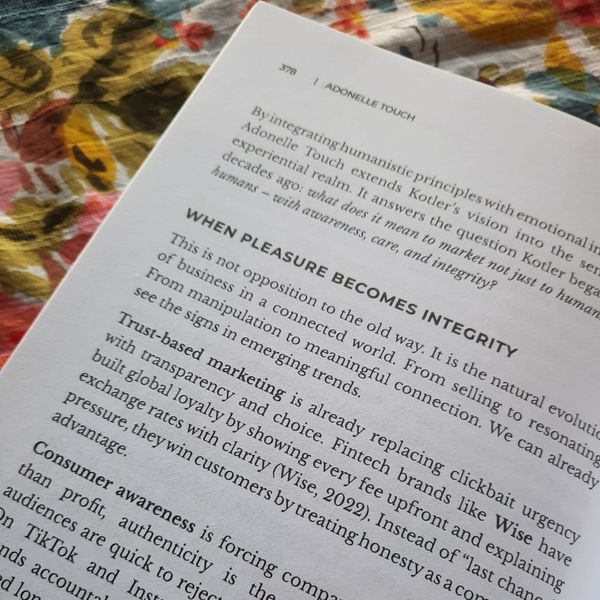
Publishing Adonelle Touch was an important first step. The book gave the framework its foundation, language, and a set of practical methods for exploring how sex-positive values can shape leadership, branding, culture, and organisational life.
But the intention was never to stop at the book. I have always wanted the framework to become something organisations can work with directly, beyond reading about the ideas or discussing them in workshops.
That is why I am happy to share that we have started developing the Adonelle Touch Quick Diagnostic, our first digital framework tool, in collaboration with Blend IT, an Estonian software development company.
Making the Framework More Accessible
Adonelle Touch is built around four values: Inclusivity, Consent, Openness, and Empowerment. The framework explores how these principles can shape an organisation from within – through leadership, culture, and decision-making – and outwardly, through its relationships with customers, partners, communities, and wider society.
The book already introduces practical tools, including diagnostics, matrices, and Pleasure-First KPIs, to help translate these values into organisational practice.
We are starting with the Adonelle Touch Quick Diagnostic, a framework-based self-assessment designed to help organisations reflect on how these four values appear in their everyday practices and experiences.
The idea is to give leaders, teams, and other practitioners a structured starting point for examining where an organisation creates trust and where there may be gaps between its intentions and the experiences of the people inside and outside it.
For example, how clearly does an organisation communicate its expectations? Where might customers experience unnecessary pressure? Do employees have meaningful opportunities to influence decisions? How well do an organisation's stated values match what people actually experience?
Turning the Quick Diagnostic into a digital experience could make this kind of reflection more accessible and easier to repeat over time.
The goal is not to reduce human experience to another set of mechanical scores. It is to use technology to support better understanding, more honest reflection, and more informed decisions.
Developing the Tools with Blend IT
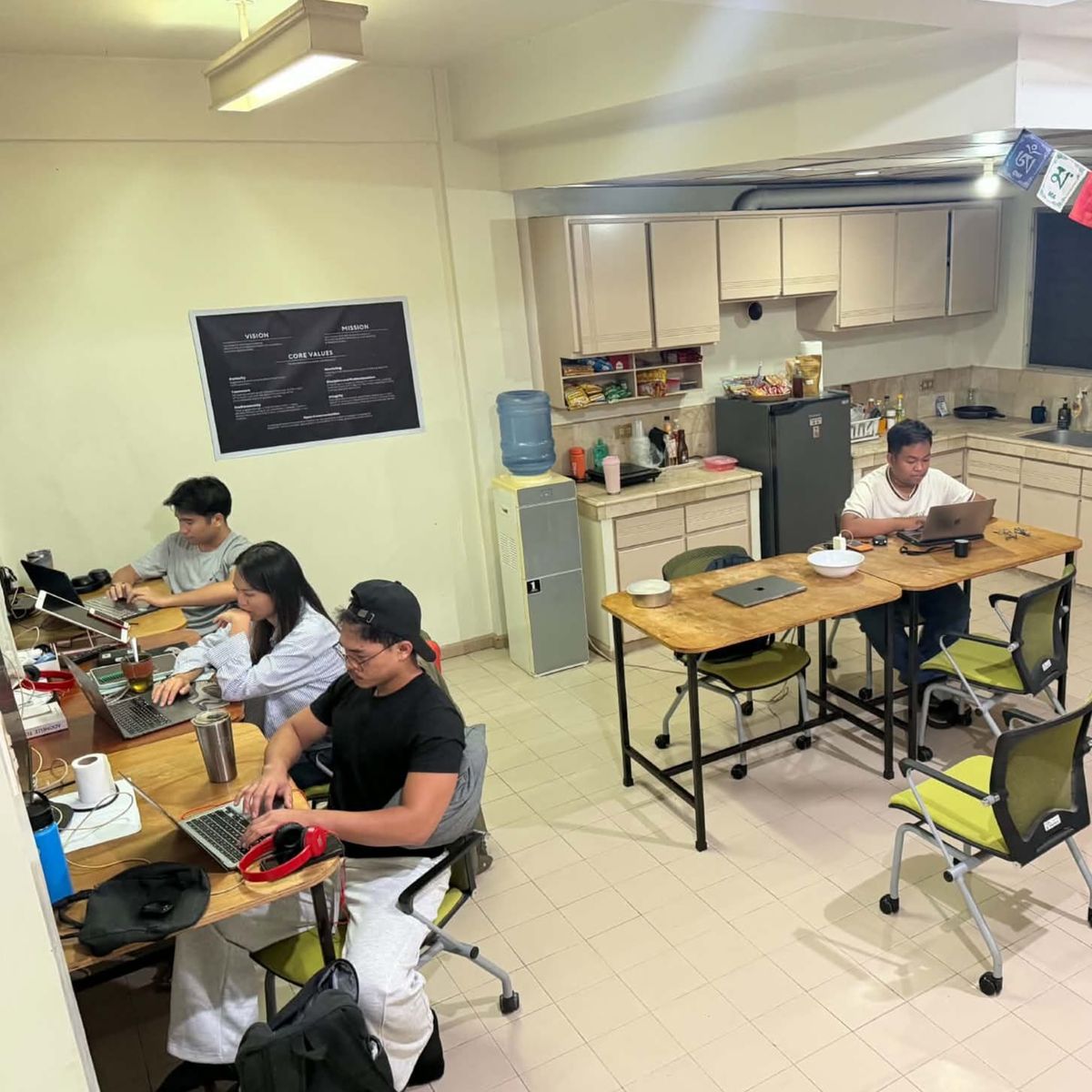
To take this work forward, we are collaborating with Blend IT, a software development company with years of experience building digital products and delivering projects through teams in Estonia and the Philippines.
As I am also a shareholder in Blend IT, this collaboration brings together two areas of work I have been involved in for years: developing business concepts and frameworks, and turning ideas into working software.
For Blend IT, the project presents an opportunity to help translate a human-centred framework into a digital product with practical applications.
As Timm Rannu, CEO of Blend IT, puts it:
"What makes this project interesting for us is the challenge of turning a conceptual framework into something people can actually use. The Adonelle Touch Quick Diagnostic gives us a clear starting point. Our focus is on building an intuitive and useful experience that makes the framework accessible, while leaving room to develop the tools further as we learn from real users."
There is also an interesting challenge in developing technology around a framework that places human experience at its centre.
If we want organisations to work with inclusivity, consent, openness, and empowerment, the tools themselves should reflect those values. They should be understandable, accessible, respectful of users, and genuinely useful. The experience of using them matters just as much as the information they provide.
We are still at an early stage. The Quick Diagnostic is our first step, and its development will help us understand how the broader framework might work in a digital environment.
Rather than trying to digitise everything at once, the intention is to begin with something focused and practical, learn from its use, and build further from there.
From Ideas to Application
For me, this is an important step in the wider development of Adonelle.
The book introduced the ideas and opened the conversation. The Journal has created a place to explore them further, while advisory work, research conversations, and collaboration help connect the framework with organisational practice.
Digital tools can become another important part of that development, making Adonelle Touch more accessible to leaders, teams, consultants, educators, and others interested in applying these values.
There is still much to explore, and we are not announcing a launch date yet. But development is now underway, starting with the Quick Diagnostic and the ambition to make more of the Adonelle Touch framework available through practical digital tools.
The next chapter of Adonelle Touch is about making the framework not only understandable, but increasingly usable.